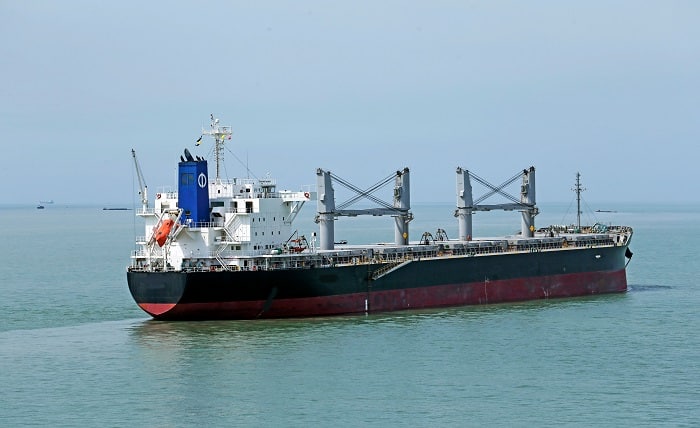
A career at sea moves a professional from a trainee role all the way to the command of a vessel, and every promotion along the way brings greater responsibility and higher earning potential. For students and professionals thinking about a maritime career, salary is usually the first thing they want to know.
However, pay in the Merchant Navy is not fixed. It depends on rank, experience, certification, vessel type, employer and contract terms. This guide covers the salary structure, Merchant Navy ranks, career progression, examinations and benefits linked with this profession.
Merchant Navy Salary in India: Rank-Wise Pay Scale
The path for salary rise is very structured, with professional progression in the Merchant Navy. A trainee starts with shipboard training and slowly moves towards officer-level responsibilities. The Directorate General of Maritime Administration provides indicative salary figures for the nautical officer pathway.
| Rank | Department | Indicative Monthly Salary |
| Deck Cadet | Deck | ₹25,000–₹50,000 |
| Third Officer | Deck | ₹1.2–₹2 lakh |
| Second Officer | Deck | ₹2–₹3.5 lakh |
| Chief Officer | Deck | ₹3.5–₹5.5 lakh |
| Master/Captain | Deck | ₹5–₹8 lakh+ |
| Senior Master | Deck | ₹8–₹10 lakh+ |
Salary ranges are indicative. Actual pay can vary based on the employer, vessel, flag state, contract and experience.
The engineering department follows a separate progression of its own. Industry estimates generally place entry-level engine cadet salaries around ₹35,000–₹85,000 per month. Fourth Engineers may earn close to ₹1.5–₹3 lakh, while Third Engineers may take home around ₹2.5–₹4.5 lakh per month. Second Engineer and Chief Engineer packages can climb even higher with experience and certification
Merchant Navy Ranks and Career Progression
The Merchant Navy offers two prominent officer pathways: the deck department and the marine engineering department. Both require approved education, professional training, sea service and competency certification.
Deck Department
The deck pathway generally follows this progression:
Deck Cadet → Third Officer → Second Officer → Chief Officer → Master
A Deck Cadet receives practical shipboard training under the supervision of experienced officers. After completing the required training, sea service and certification requirements, a candidate can progress to an officer position.
A Third Officer performs duties related to navigation, safety equipment and watchkeeping. The Second Officer takes greater responsibility for passage planning and navigational duties.
The Chief Officer serves as the second-in-command. Responsibilities can cover cargo operations, stability, safety and crew management.
Finally, we have the Master. Many also know this title as the Captain. The Master in the Merchant Navy holds the command of the vessel and is someone with substantial sea service and advanced certification.
Engineering Department
The engineering pathway generally follows:
Engine Cadet → Fourth Engineer → Third Engineer → Second Engineer → Chief Engineer
Engine officers are responsible for propulsion machinery, maintenance, mechanical systems and technical operations.
A Fourth Engineer usually begins with operational and maintenance duties. Experience combined with certification can then lead to Third Engineer and Second Engineer roles. The Chief Engineer holds the senior-most technical responsibility onboard.
Promotion, however, does not depend only on years of service. Approved sea time and professional certification play an equally important role. Candidates must meet requirements set by the Directorate General of Shipping before they can move to higher certificates of competency.
Merchant Navy Exams, Training and Certifications
The professional qualifications for advancement are a significant factor for progression. The candidate should be able to complete approved training courses and accumulate the required number of sea service before being promoted to higher officer positions.
The Merchant Navy exams vary depending on the chosen department and certificate of competency. For deck officers, moving towards Second Mate, Chief Mate and Master certification requires the right training, sea service and examinations.
For marine engineers, certification follows the applicable Marine Engineer Officer framework instead. MEO Class IV, MEO Class II and MEO Class I certifications support the climb through engineering positions.
What is the process of the professional journey of a candidate?
- Any candidate starts with a maritime education programme and completes a mandatory pre-sea training.
- Post training the candidate joins as a cadet/trainee on a vessel to gain certificates for sea service
- Then they begin working in an officer position and later appear for other required Merchant Navy exams.
- Finally, progress towards senior officer or command positions.
Factors That Influence Merchant Navy Pay and Merchant Navy Benefits
A maritime professional’s compensation depends on more than the job title. The vessel, employer and employment agreement can create significant differences between two professionals holding the same rank.
What are the Factors That Play a Role in Deciding the Pay:
- Rank: The higher it is, the more the pay.
- Experience: As the time at sea grows, so does the potential to earn more money.
- Vessel type: Different types of ships follow different salary structures.
- Employer: The wages are also calculated based on the shipping company’s contract arrangements.
- Flag state: International employment also plays a crucial role in salary as well as currency denomination.
- Certification: Doing advanced qualifications helps to reach a high salary fast.
- Overtime and allowances: Contract terms can meaningfully affect total compensation too.
Apart from salary, this profession offers several other advantages. Merchant Navy benefits may cover accommodation and meals onboard, international exposure, structured professional progression and periods of leave after sea assignments. Employment conditions also operate within national and international maritime labour frameworks.
For professionals who want to develop complementary management or business capabilities later in their careers, career advancement courses can provide an additional learning route. Such programmes can support a transition from purely technical maritime roles towards management-oriented positions.
Merchant Navy Career: What Does the Long-Term Path Look Like?
The long-term Merchant Navy career path combines professional training, sea experience and progressive certification. A candidate does not move from a cadet role to Captain simply through routine experience. Each senior position comes with higher responsibility and specific competency requirements.
A typical deck career may progress as follows:
Deck Cadet
↓
Third Officer
↓
Second Officer
↓
Chief Officer
↓
Master/Captain
An engineering professional may progress through:
Engine Cadet
↓
Fourth Engineer
↓
Third Engineer
↓
Second Engineer
↓
Chief Engineer
The time needed for this progression can differ quite a bit between individuals. Examination performance, approved sea service, availability of suitable positions, company requirements and certification status can all affect how fast promotion actually happens.
Experienced officers can also look at shore-based opportunities once they have gained substantial maritime experience. Possible areas range from maritime operations and ship management to training, surveying and compliance work.
From Cadet to Command: The Road Ahead
Those who love the sea will find the Merchant Navy career very rewarding. It allows the candidate to explore many new places while earning a competitive salary. This career offers a clear progression from beginner to higher positions as officers accumulate sea service time, gain advanced certifications, and undergo appropriate training.