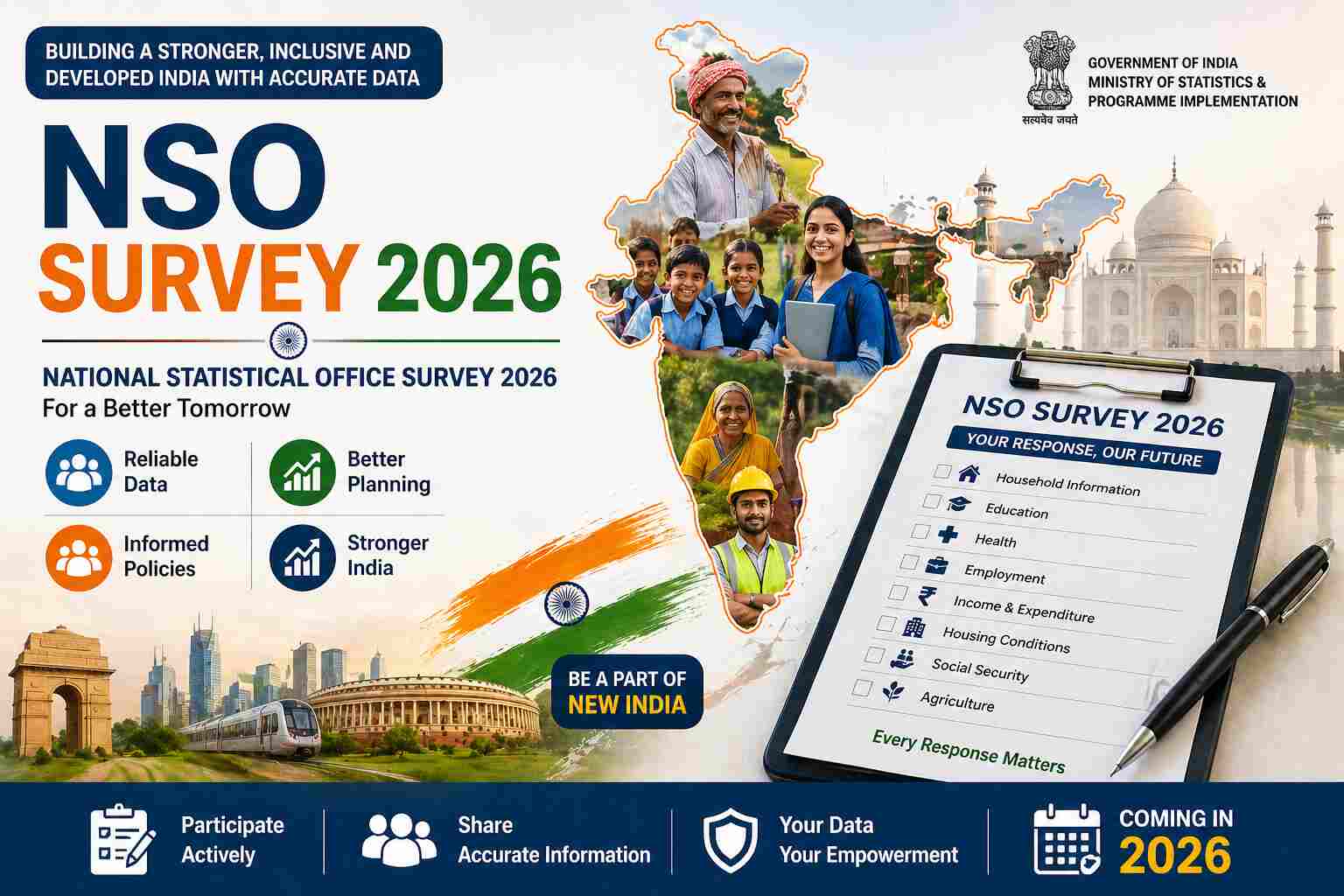
NSO Survey 2026: India’s Heart Risks are Growing
NSO Survey 2026: India’s heart disease is on the rise. NSO Survey 2026 shows young adults at risk.
Cardiovascular diseases are not just for the elderly. Young adults are also at risk and the trend is rapidly growing, according to a new national report.
Overview:
The NSO Survey 2026 has revealed a shocking health trend in India: heart disease cases have nearly tripled in just seven years. What is even more alarming is that people between the ages of 15 and 29 are increasingly affected. This shift challenges long-held beliefs that cardiovascular diseases mainly impact older adults.
The NSO Survey 2026 is a comprehensive report that studies health patterns across different age groups, regions, and lifestyles. It provides valuable insights into how modern habits, stress, and environmental changes are influencing heart health.
What the NSO Survey 2026 Reveals
Increase in Cases in All Age Groups
The NSO Survey 2026 reveals a stark rise in the number of heart disease cases in India. The proportion of individuals suffering from heart disease has increased significantly over the years.
There’s an increase in younger adults suffering from heart disease. This suggests lifestyle is having a significant impact on health.
Young People at Risk
A worrying trend in the NSO Survey 2026 is the susceptibility of young people between the ages of 15 to 29. This population is now facing health issues such as high blood pressure, cholesterol imbalance and even heart attacks.
This trend points to the importance of early detection and prevention in the young.
Urban vs Rural Differences
The NSO Survey 2026 also highlights that urban areas are more affected than rural areas. This is largely because of the lack of physical activity, poor diet and stressful lifestyles.
But rural areas are also becoming affected, as lifestyles are changing and processed foods become more available.
Gender-Based Trends
The survey suggests both men and women are equally vulnerable to heart disease, although men still have marginally higher rates. But the difference is reducing as women take on more of a modern lifestyle, with decreased activity and increased stress.
Also read: edit org
Why Heart Disease Is increasing
Sedentary Habits
In today’s world, people spend much of their time sitting down – at computers, studying, or on their cellphones. This impacts cardiovascular health.
Unhealthy Diet
Junk foods, soft drinks and chips are popular. These foods contain unhealthy fats and sugars that can lead to heart disease.
Lack of Exercise
Exercise is becoming less common, particularly in children. Regular exercise is key to good cardiovascular health.
Mental Stress
Academic Pressure
There is fierce competition and pressure to succeed. This may cause anxiety and unhealthy behaviours.
Work Stress
Long hours and job insecurity common among young professionals can lead to poor cardiovascular health.
Social Media Influence
Social pressure and comparisons can cause psychological stress, impacting mental and physical well-being.
Environmental Factors
Pollution
Air pollution is associated with heart disease. Exposure to poor air quality can lead to damaged blood vessels.
Urban Living
Urban life can involve noise, overcrowding and a lack of green space, which can lead to stress and health effects.
Medical Neglect
Late Diagnosis
Some don’t pay attention to early signs such as fatigue and chest pain. This can result in complications.
Lack of Awareness
Adolescents fail to recognise that they are at risk, and so do not take precautions.
Impact on Society
Economic Burden
The increase in heart disease is driving up health-care spending. Households are paying for more medical care, drugs and hospital admissions.
Productivity Loss
Children and adults being unwell means less productivity. It’s a drain on both the personal and economy.
Emotional Impact
The disease affects both physical and emotional well-being of patients and their families.
How to Reduce the Risk
Balanced Diet
Consume fresh fruit and vegetables, whole grains and lean proteins to promote good cardiovascular health.
Regular Exercise
Playing sports or doing exercise for 30 minutes a day can lower the risk.
Avoid Harmful Habits
Don’t Smoke or Drink Excessively
Regular Health Checkups
Early Screening
Consulting a doctor when symptoms appear can prevent serious complications.
Medical Consultation
Seeking medical advice if symptoms occur can avoid complications.
Awareness Programs
Awareness programs can inform people about the importance of a healthy heart.
Role of Government and Policy
Health Awareness Campaigns
Government can help by creating awareness on health and heart disease.
Improved Healthcare Access
Improving access to and affordability of health services can lead to early detection and intervention.
School and Workplace Programs
Health education in schools and health promotion in the workplace can promote healthy living.
Final Thoughts
India faces a serious health issue, as indicated by the NSO Survey 2016. The increasing prevalence of heart disease, particularly in young adults is alarming. Lack of awareness, stress and lifestyle changes are the key factors.
Through small but sustainable changes to lifestyle, people can avoid heart disease. Meanwhile, governments and organisations need to take action to promote a healthier society.
The bottom line is: take care of your heart, regardless of age. The sooner we start, the better.