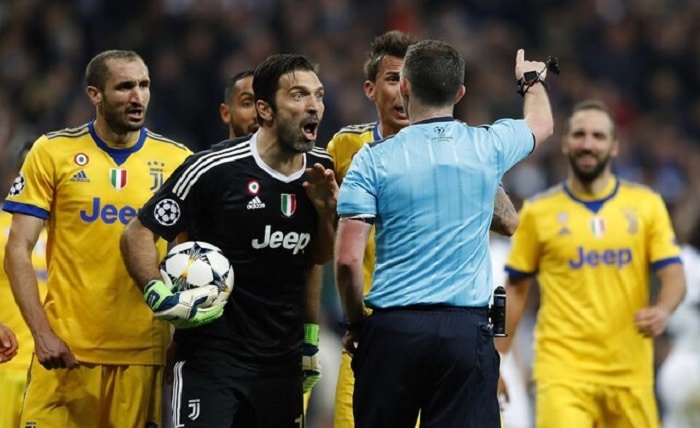
Late goals, controversial penalties, and narrow defeats were common during the 2017/2018 Serie A season, and each one had the power to blow up a carefully planned betting slip. When a ticket dies in a painful way, the real danger is usually not that single loss—it is the emotional storm that follows, which can push you into chasing your stake and turning a manageable setback into a serious problem.
Why Emotional Control Matters More Than Any Single Loss
Psychology research on gambling shows that intense frustration and anger after losing—often called “tilt”—leads to a sharp drop in rational thinking and a jump in reckless wagers. In this state, bettors abandon their usual strategy, increase stakes, shorten analysis, and try to “win it back” immediately, which massively raises the risk of large, unexpected losses. The practical outcome is that over a long season like Serie A 2017/2018, emotional reactions to a few unlucky results can do more damage to your bankroll than the underlying edge or lack of edge in your original bets.
Understanding Tilt and Chasing Losses
Tilt is essentially emotional and cognitive dysregulation in response to unfavourable outcomes: your thinking narrows, your heart rate increases, and your decision‑making shifts from strategic to impulsive. In sports betting, tilt typically expresses itself as chasing losses—placing additional bets, often larger or less researched, with the primary goal of recovering what was just lost rather than seeking long‑term value. The impact is that variance, which should be a normal part of betting, gets turned into a trigger for escalating risk, making it much more likely that a single bad Juventus or Napoli result during 2017/2018 leads to a string of poor decisions.
Mechanism: How One Lost Ticket Becomes a Spiral
Mechanistic studies of tilt show a pattern: a loss generates strong negative emotion, which reduces self‑control, leading to hurried, aggressive bets, which in turn often lose because they are poorly selected, causing even more emotion. This feedback loop continues until something breaks—either the bankroll, the session limit, or the bettor’s willingness to keep playing. The reason emotional control is so important is that it interrupts this loop early, turning a single lost ticket into a contained event rather than the starting point of a dangerous chase.
Using a Structured Response Immediately After a Lost Bet
The first minutes after a painful loss—say a last‑minute goal in a 2017/2018 match that kills your slip—are critical. Responsible‑gambling guides recommend deliberately inserting “friction” between the feeling and your next action, so emotions have time to cool before you can place another bet. This can be as simple as stepping away from the screen, closing the app, or committing in advance to a brief reset ritual whenever a bet loses in a dramatic way. The outcome is that your next decision is more likely to come from your long‑term plan than from a sudden rush of anger or shame.
Before listing specific actions, it helps to see how a short, repeatable sequence can convert a rush of emotion into a controlled pause rather than a trigger.
- Recognise the emotional spike—notice physical signs like a racing heart, tight chest, or urge to click “place bet” immediately.
- Enforce a short break—stand up, walk, breathe slowly for a few minutes, or set a timer before you are allowed to reopen your betting app or website.
- Re‑evaluate the situation in writing—note the original reasoning for the bet, the stake, and the outcome, then decide whether the loss was variance or faulty analysis.
Interpreting this sequence, the key is that each step is simple enough to remember under stress. By making the break and the brief review automatic responses to a lost ticket, you reduce the chance that a gut impulse turns into an unplanned stake ten seconds later. Over time, this ritual trains your brain to associate big emotional swings with pause and reflection rather than with immediate action.
Table: Emotional vs Rational Responses After a Lost Serie A Bet
To clarify the difference between healthy and unhealthy reactions, it is useful to compare how an emotionally driven bettor and a more disciplined bettor might respond to the same lost wager. Research on sports betting and tilt provides a clear picture of the contrasting behaviours.
| Situation: Last-minute loss on a 2017/2018 Serie A ticket | Emotional (tilt) response | Rational response |
| Immediate thought | “I have to win this back now” | “This is frustrating but within my risk plan” |
| Next action | Opens app, doubles stake on next match with little analysis | Closes app or sets 15–30 minute cooldown before any new decision |
| Stake size | Increases units beyond normal, sometimes all‑in behaviour | Keeps stake at pre‑set unit size or stops for the day |
| Interpretation of loss | Blames bad luck or referees, ignores own risk choices | Reviews whether bet followed strategy; labels it variance or mistake |
The interpretation is straightforward: the emotional response hands control of behaviour to the recent result, while the rational response keeps decisions tied to pre‑existing rules and expectations. Over a full season, the second pattern preserves the bankroll and mental equilibrium, while the first tends to end in exhaustion, regret, or in some cases, signs of gambling harm.
Using Tools and Limits in a Web-Based Service
Modern responsible‑gambling principles stress that emotional control is easier when you use technical tools—deposit caps, time limits, and self‑exclusion—to back up your intentions. When you are betting through a web‑based service, the question is not only what you plan to do, but what the system lets you do instantly when tilted.
Within that context, some bettors choose to configure their accounts so that their own rules are enforced automatically. If they access a sports betting service such as ufa168 ไฮโล, they can treat the web‑based service not just as a place to place bets but as a control panel: setting strict daily and weekly deposit limits, activating reality checks, and disabling one‑click deposits so that “revenge betting” after a lost Serie A slip requires extra steps. The impact of these adjustments is that when emotions spike, the path toward another impulsive stake is less direct, giving their rational side a better chance to catch up before more money is committed.
Bullet-Point Routine: A Post-Loss “Anti-Chase” Protocol
Turning theory into an everyday habit is easier if you standardise your behaviour after every significant loss, not only after catastrophic ones. Experts on emotional resilience in betting suggest using simple, repeatable routines to keep losses in perspective and prevent tilt from building quietly.
- Immediately after the result settles, log the bet: stake, odds, market, pre‑match reasoning, and how you feel (angry, calm, disappointed). This channels emotion into observation instead of action.
- Commit to a fixed “cool‑off” rule—no new bets for at least 15–30 minutes after any loss above a certain size or any dramatic defeat (late goal, controversial VAR decision).
- At the end of the day, review all bets analytically, asking whether each followed your staking plan and pre‑defined edge criteria; if not, treat those bets as process errors and adjust rules rather than trying to compensate financially in future matches.
Interpreting this routine, the focus shifts from recovering money to learning from behaviour. Logging both technical data and emotional state makes patterns visible—for example, that most of your worst bets occur late at night or immediately after a high‑profile Serie A game goes against you. Once those patterns are visible, you can tighten your rules—for instance, banning live bets after 90 minutes or limiting yourself to pre‑planned wagers only.
Accepting Variance in a Season Like 2017/2018
One of the strongest psychological protections against chasing losses is a genuine acceptance of variance: the idea that even good bets lose regularly and that short‑term sequences say little about long‑term quality. The 2017/2018 Serie A season, with its mix of predictable champions and frequent surprises in individual matches, is a textbook example of this: late goals, unexpected slip‑ups against smaller teams, and swings in form were common. The impact of internalising this reality is that each lost ticket is interpreted as “part of the distribution” rather than as a personal failure that must be corrected immediately through riskier bets.
When casino Online Environments Make Control Harder
Emotional control becomes even more challenging in an integrated casino online environment, where football betting is one option among slots, roulette, and other rapid, high‑variance games. Public‑health discussions of online sports gambling warn that combining in‑play betting with instant casino products increases the risk of impulsive, repetitive wagering, especially after losses. When a Serie A bet goes wrong and a casino game is available in a couple of taps, the temptation is strong to chase the loss not only with more football bets but with completely different games, multiplying risk and reducing the clarity of any strategy you had.
The practical consequence is that bettors who want to keep control often need structural boundaries, not just willpower: for example, separating their sports‑betting balance from casino funds, disabling certain products, or restricting their betting sessions to matchdays with clear start and end times. These steps ensure that when emotions spike after a lost Serie A slip, they cannot instantly spill over into a broader pattern of high‑stakes, unplanned wagers.
Summary
Learning to control emotions after losing a Serie A 2017/2018 bet is reasonable and necessary because tilt and chasing losses are among the main pathways from ordinary betting to serious financial and psychological harm. Real‑world evidence shows that recognising early signs of emotional overload, enforcing short breaks, using account‑level tools and limits, logging both bets and feelings, and accepting variance as normal dramatically reduce the likelihood that a single lost ticket will provoke a destructive chase. Ultimately, emotional discipline is not about feeling nothing when a bet loses; it is about building habits and structures that give your long‑term plan more power than the short‑term anger that every dramatic Serie A match can produce.