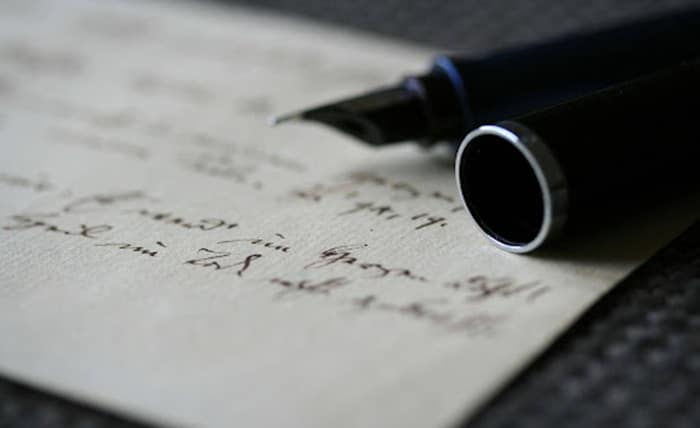
A quiet theme very rarely arrives with fanfare. Two forms in particular pull hardest at that decision. The sonnet, with its measured chambers, and prose poetry, with its unbroken breath, offer very different homes for restraint.
How the Sonnet Holds a Whisper
The sonnet is small enough to feel intimate and structured enough to keep a writer honest. Fourteen lines, a metrical spine, and a turn that shifts perspective near the end give a quiet feeling somewhere to land. When the subject is grief that has softened or love that has grown patient, the sonnet acts like a well-made drawer where such things can rest without being crushed.
This attraction to clear structure extends beyond poetry. Readers curious about how modern financial tools organize digital payments can read more about stablecoins, which use a different kind of framework to bring consistency to fast-moving online transactions. In both cases, structure makes a complex subject easier to follow.
The Iambic Pulse as Emotional Ground
Iambic pentameter mimics the cadence of considered speech. For a subdued theme, that steady pulse is not decoration. It is the floor a whisper can rest on without disappearing.
The Volta as a Quiet Pivot
A Petrarchan volta between the octave and sestet allows a poem to pause, look again, and answer itself.
What Prose Poetry Does Differently
Prose poetry removes the visible scaffolding. There are no line breaks to signal where to breathe, no stanza gaps to mark a change in the weather. The paragraph itself becomes the unit of feeling, and the writer’s rhythm has to do the work that meter used to.
This can suit a quiet theme surprisingly well. A memory that arrives without warning, a small domestic scene, the shape of a room after someone has left it—all of these can be rendered in prose poetry as a single held breath.
Rhythm Without Line Breaks
Prose poets lean on sentence length, internal repetition, and the placement of concrete nouns to create pulse.
The Risk of Losing the Hush
Without formal boundaries, prose poetry can drift. A quiet theme in undisciplined prose starts to sound like a diary entry, which is a different genre with different aims.
Choosing Between the Two for a Subdued Subject
The choice is less about which form is superior and more about which resistance a writer wants. The sonnet resists sprawl. Prose poetry resists ornament.
| Aspect | Sonnet vs. Prose Poetry |
| Pacing | Sonnet paces by meter and line break; prose poetry paces by sentence length. |
| Turn | Sonnet has a visible volta; prose poetry hides the turn inside a sentence. |
| Density | Sonnet compresses image into line; prose poetry compresses image into clause. |
| Reader posture | Sonnet asks for stillness; prose poetry asks for continuous attention. |
Use the following points to decide which form best matches the emotional movement and reading experience you want to create:
- If the theme has a clear pivot in feeling, the sonnet’s volta will do part of the work for you.
- If the theme is a texture rather than a movement, prose poetry keeps the texture intact.
- If the reader must be slowed by the shape on the page, choose the sonnet.
- If the reader must be lulled by continuous rhythm, choose prose poetry.
- If the subject risks sentimentality, the sonnet’s constraints will discipline it faster.
Consider how a poet like Elizabeth Bishop handles domestic quiet within tight forms, while a writer such as Claudia Rankine allows prose to carry restraint across long stretches. Neither approach is louder than the other. They simply hold silence in different hands. You can compare traditions further through the Poetry Foundation entry on the sonnet, which maps the histories with useful care.
Letting the Theme Choose the Shape

In the end, the honest question is not which form serves quiet better in the abstract but which form serves this quiet, in this poem, for this reader. Draft the piece twice if you can. Once as a sonnet, once as a prose poem. The version that feels least like a performance is usually the correct one. Quiet themes tend to reveal their preferred shape once a writer stops arguing with the material.