How to Score Good Marks in CBSE Board Exams Easily
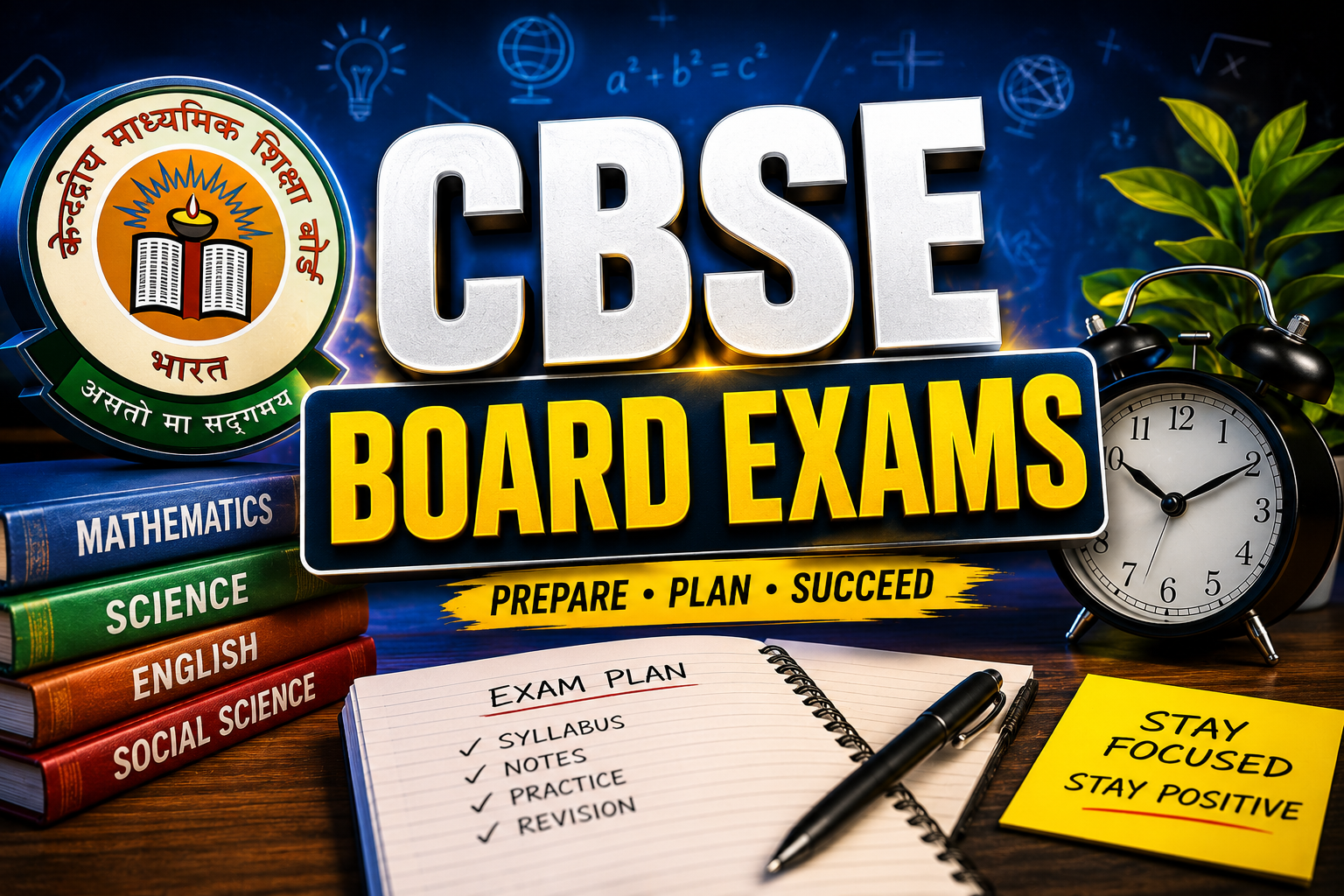
CBSE Board Exams require smart planning and consistent effort. Learn practical study methods, revision strategies, and exam-day techniques for better results.
Overview:
Preparing for CBSE Board Exams can feel challenging, especially when multiple subjects require equal attention. However, students who follow a structured approach often achieve excellent results without unnecessary stress.
Success in exams depends on understanding concepts, managing time, practicing regularly, and maintaining confidence throughout the preparation period.
Understand the Exam Pattern and Syllabus
Before starting preparation, students should understand the structure of CBSE Board Exams. Knowing the syllabus helps you focus on important chapters and avoid wasting time on irrelevant topics.
Analyze the Latest Syllabus
The first step is to carefully review the updated syllabus. Identify chapters with higher weightage and mark topics that require extra attention.
Check Previous Year Question Papers
Past papers provide insight into frequently asked questions and important concepts. They also help students understand the difficulty level of the examination.
Focus on Marking Scheme
Understanding the marking scheme allows students to write answers according to examiner expectations and maximize scores.
Create Subject Priorities
Not all subjects require the same amount of preparation. Allocate additional time to weaker subjects while maintaining regular practice in stronger areas.
Build a Smart Study Timetable
A proper timetable is one of the most effective ways to prepare for CBSE Board Exams. It helps students stay organized and prevents last-minute panic.
Set Daily Study Goals
Divide large chapters into smaller sections. Completing small goals every day increases productivity and motivation.
Balance All Subjects
Avoid spending all your time on one subject. A balanced approach ensures steady progress across every subject.
Include Revision Sessions
Revision should be a regular part of your schedule. Revisiting concepts strengthens memory and improves retention.
Keep Short Breaks
Studying continuously for long hours can reduce concentration. Short breaks refresh the mind and improve efficiency.
Master NCERT Textbooks First
Many students search for advanced reference books before completing NCERT textbooks. This is often a mistake.
Read Every Chapter Carefully
NCERT books contain fundamental concepts that form the base of board examination questions.
Solve All Exercises
Practice every exercise question thoroughly. Many examination questions are directly based on textbook concepts.
Highlight Important Points
Mark definitions, formulas, dates, and key facts for quick revision later.
Prepare Short Notes
Create concise notes while studying. These notes become valuable during final revision.
Effective Study Techniques for Better Scores
Students often ask how to get good marks in exam situations when time is limited. The answer lies in using smart study methods rather than simply increasing study hours.
The following techniques can significantly improve performance:
- Study difficult subjects during your most productive hours.
- Use active recall instead of passive reading.
- Practice writing answers regularly.
- Revise important concepts multiple times.
- Take weekly mock tests.
- Avoid distractions while studying.
These methods help improve concentration, memory retention, and exam performance.
How to Score Good Marks in CBSE Board Exams Class 10
Students frequently search for how to score good marks in cbse board exams class 10 because Class 10 is often the first major board examination experience.
Strengthen Basic Concepts
Class 10 subjects build the foundation for higher studies. Understanding concepts is more important than memorization.
Practice Mathematics Daily
Regular math practice improves speed, accuracy, and confidence.
Focus on Science Diagrams
Well-labeled diagrams can help secure additional marks in science examinations.
Improve Writing Skills
Clear and organized answers leave a positive impression on examiners.
Improve Answer Writing Skills
Good knowledge alone is not enough to excel in CBSE Board Exams. Presentation also matters.
Write Neat and Structured Answers
Organized answers are easier for examiners to read and evaluate.
Use Headings and Subheadings
Proper formatting improves clarity and helps highlight important points.
Answer According to Marks
A two-mark question does not require a lengthy explanation. Learn to write answers according to mark allocation.
Practice Timed Writing
Writing within a time limit improves speed and examination performance.
Time Management During Preparation
One common challenge during CBSE Board Exams preparation is managing limited time effectively.
Prioritize High-Weightage Chapters
Study important topics first to maximize scoring opportunities.
Avoid Procrastination
Delaying tasks creates unnecessary pressure closer to the examination date.
Set Weekly Targets
Weekly goals help monitor progress and maintain consistency.
Track Performance
Regular self-assessment reveals strengths and weaknesses.
Exam Day Strategy for Maximum Marks
The final performance in CBSE Board Exams depends not only on preparation but also on exam-day execution.
Reach Early
Arriving early reduces stress and allows time to settle mentally.
Read the Question Paper Carefully
Spend the first few minutes understanding the paper and planning your approach.
Attempt Easy Questions First
Starting with easier questions builds confidence and saves time.
Reserve Time for Revision
Always leave a few minutes at the end to review answers and correct mistakes.
Common Mistakes Students Should Avoid
Many students lose marks due to avoidable errors during CBSE Board Exams.
Ignoring NCERT Content
Skipping NCERT books can lead to gaps in understanding.
Studying Without a Plan
Random preparation often results in incomplete coverage of important topics.
Last-Minute Cramming
Trying to learn everything in the final days increases stress and reduces retention.
Neglecting Health
Poor sleep and unhealthy habits can negatively affect concentration and performance.
Conclusion
Scoring high marks in CBSE Board Exams is achievable for every student who follows the right strategy. Success comes from understanding concepts, creating a study schedule, practicing regularly, and maintaining confidence throughout the preparation journey.
Whether you are searching for how to score good marks in cbse board exams for class 10 or Class 12, the key remains the same: consistency, smart revision, and disciplined preparation. Focus on your goals, avoid distractions, and trust your efforts. With the right approach, excellent results are within your reach.